

Sustainable Coffee Brands That Give Back
Table of Contents
- What Makes Sustainable Coffee Brands That Give Back Different
- Ethical Coffee Brands Worth Your Investment
- Fair Trade Coffee Brands and Their Community Impact
- How to Buy Ethical Coffee: Verification and Transparency
- Coffee Brands That Donate to Charity: Direct Impact Models
- Sustainable Sourcing Practices That Matter
- Making Your Choice: Finding Sustainable Coffee That Aligns With Your Values
- Frequently Asked Questions
Last Updated: October 12, 2026
What Makes Sustainable Coffee Brands That Give Back Different
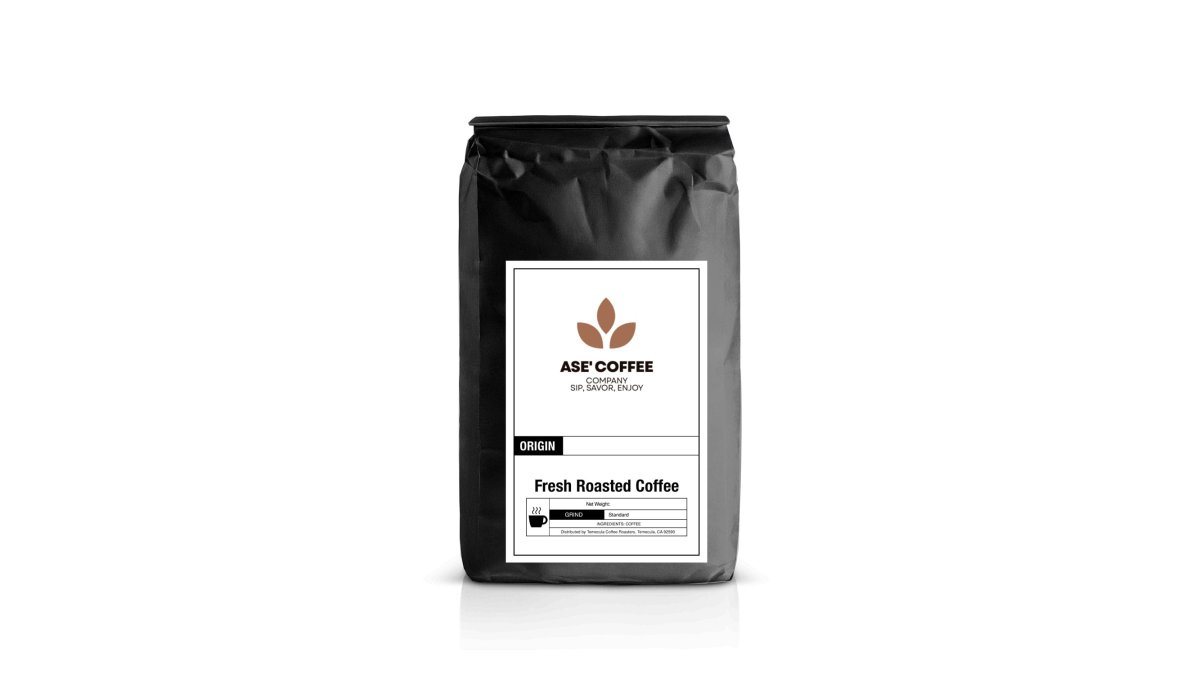
When you buy coffee, you're voting with your wallet. Choosing sustainable coffee brands that give back means your morning ritual supports something bigger than caffeine. At ASE', every purchase funds educational programs through ASA-CORP's Tutorsforyou initiative.
What separates these brands from standard roasters? They track where beans come from, how farmers are treated, and where profits go. Some donate fixed percentages; others invest directly in farming communities. The best publish transparent reports showing exactly where money goes.
The coffee industry has a real problem: farmers often earn pennies while retailers mark up beans. Sustainable coffee brands that give back flip this model, working with smallholder farmers, paying fair prices, and reinvesting profits into community development.
This matters because coffee farming is under pressure. Shade-grown coffee protects biodiversity, organic practices preserve soil health, and direct farmer relationships create long-term stability. Buying from brands committed to these practices supports regenerative agriculture that benefits ecosystems and people.
Ethical Coffee Brands Worth Your Investment
The best ethical coffee brands demonstrate their values through sourcing practices, pricing transparency, and documented impact.
Single Origin Favorites Sample Pack
Start here to taste the difference ethical sourcing makes without committing to full bags. The Single Origin Favorites Sample Pack gives you six distinct origins in 2oz packs for $24.99, letting you discover which sustainable coffees match your palate.

This sampler includes coffees from Brazil, Colombia, Costa Rica, Ethiopia, Honduras, and Tanzania. The Brazil Santos comes from volcanic loam soil at 750-1050 meters, processed as pulped natural and sun-dried. Colombia's beans grow at higher altitude (1300-1500m) and are washed in solar dryers that protect quality during rainy seasons. Ethiopia Natural uses indigenous heirloom cultivars, hand-sorted and dried on raised beds, a labor-intensive process that rewards smallholder farmers fairly.
Sampling lets you understand your preferences before investing in full bags, tasting how altitude, processing method, and soil type create distinct flavor profiles. The sample format also reduces waste if an origin doesn't match your brewing style.
Uganda, Peru, Mexico, Guatemala, Ethiopia Natural, and Costa Rica Single Origins
Each of these single-origin coffees at $19.99 represents a direct relationship with farming communities. Uganda's beans from the Sipi region (1,500-2,500m) are fully washed and sun-dried, delivering mild acidity with floral and chocolate notes.

Peru comes from Cooperativa Agricola de Servicios Norandino, a cooperative that ensures farmers have collective bargaining power. At 1100-1700m with clay mineral soil, these beans develop salted caramel and citrus characteristics.
Mexico's coffees from Chiapas and Oaxaca grow at lower altitudes (900-1000m) in clay mineral soil that produces chocolate and cinnamon notes, and sourcing directly supports indigenous smallholder communities.
Guatemala's Antigua beans from smallholder farmers use volcanic loam soil, enriching the beans with dark chocolate and bright fruit. The fully washed, sun-dried process maintains quality while supporting family farms.
Costa Rica's eco-pulped process is significant, it reduces water waste compared to standard washing. Micro farms in Alajuela grow Caturra and Catuai varieties at 1300-1445m, producing sweet apple and honey notes.
Ethiopia Natural represents one of coffee's oldest farming traditions. Sidama zone smallholders grow indigenous heirloom cultivars at 1700-1900m. The natural process (dried in fruit) is labor-intensive but preserves complexity and supports farmers through premium pricing.
African Kahawa Blend
The African Kahawa Blend at $19.99 combines multiple African origins into a medium-dark roast that delivers complexity. This blend specifically highlights how sustainable sourcing practices create superior flavor.

The coffees in this blend are hand-picked and processed by farmers at their homes, following strict quality standards. Environmentally friendly processing means washing, sun-drying, hand-sorting, and packaging, a labor-intensive approach that supports farmer livelihoods while maintaining bean quality.
You'll taste toffee, caramel, chocolate, raisins, green apples, red fruits, cherries, and black currant with a soft floral finish. That complexity comes from blending beans grown in different African microclimates. The medium-dark roast balances brightness with depth, making it versatile for espresso, pour-over, or French press.
This blend demonstrates that sustainable sourcing and exceptional taste aren't opposed. Blends like this one raise visibility and pricing for African farmers while competing with any origin globally.
Fair Trade Coffee Brands and Their Community Impact
Fair Trade certification addresses power imbalances in the coffee supply chain. When you buy Fair Trade coffee, cooperatives receive premiums for community development projects.
Fair Trade standards require direct relationships between roasters and farming cooperatives, eliminating middlemen who historically captured most of the margin. Farmers know their coffee will sell, allowing them to invest in equipment, education, and land improvements.
The impact goes beyond individual farms. Fair Trade premiums fund community schools, healthcare clinics, and water systems, strengthening entire regions.
However, Fair Trade certification comes with costs: farms must pay for audits and maintain documentation. Both models aim to improve farmer welfare through different mechanisms.
ASE' sources coffees using direct relationships with farming communities, ensuring that every purchase supports smallholder farmers and their families. This approach gives us visibility into processing methods, environmental practices, and farmer compensation.
How to Buy Ethical Coffee: Verification and Transparency
Choosing ethical coffee requires looking beyond marketing claims, since many brands use sustainability language without concrete practices or impact reporting.
Start by asking three questions: Where do the beans come from? How much of my purchase reaches farmers? What environmental practices does the brand support?
Traceability matters most. Ethical brands identify specific regions, farms, or cooperatives; if a roaster won't name their sources, that's a red flag. ASE' lists specific regions, altitudes, soil types, and processing methods for every coffee.
Pricing tells a story. Ethical coffees typically cost more than commodity beans. Single-origin coffees at $19.99 per bag reflect fair farmer compensation, careful sourcing, and small-batch roasting.
Transparency on impact. Ask whether the brand publishes reports on donations, community investments, or environmental outcomes. Some roasters share annual impact reports; others list specific projects they fund.
Single Origin Favorites Sample Pack →
Certification versus direct relationships. Fair Trade, Organic, and Rainforest Alliance certifications provide third-party verification, while direct-trade relationships offer deeper transparency but require more research. Both can deliver ethical coffee.
Processing method as sustainability indicator. Washed coffees use more water but produce cleaner flavors; natural (dry) processed coffees use less water but require careful handling; eco-pulped processing reduces water while maintaining quality. Understanding these methods helps you evaluate whether a brand's claims match its practices.
Coffee Brands That Donate to Charity: Direct Impact Models
Some brands structure their entire business around charitable giving. Every purchase automatically supports a cause, education, conservation, healthcare, or community development.
ASE' operates this model directly: every purchase supports ASA-CORP's Tutorsforyou educational program, funding educational initiatives that lift communities. This isn't a marketing angle, it's our core mission.
Direct impact models align profit with purpose: the business only succeeds if customers buy, and customers are motivated partly by the cause. This creates accountability, since fake charity work loses customers.
The best donation models publish specific numbers. How much per bag goes to the cause? What projects does that funding support? What outcomes have been achieved? Without these details, the "giving back" claim is hollow.
Some brands donate fixed percentages of profits. Others contribute a set amount per bag sold. Fixed percentages can be misleading. Amount-per-bag is more transparent.
Long-term impact matters more than one-time donations. Sustainable giving builds schools, trains teachers, and creates lasting change.
Sustainable Sourcing Practices That Matter
Sustainable coffee sourcing goes beyond Fair Trade, encompassing environmental stewardship, farmer welfare, and community development. The best brands integrate all three.
Shade-grown coffee preserves biodiversity. Traditional farming under native forest canopy supports birds, insects, and plants, maintaining ecosystem health while producing excellent coffee. It's labor-intensive, but it protects habitat that industrial agriculture destroys.
Organic farming eliminates synthetic pesticides and fertilizers, protecting soil health and water quality.
Regenerative agriculture goes further, actively improving soil, increasing biodiversity, and sequestering carbon. Practices like agroforestry and cover cropping rebuild degraded land, and some brands fund farmers' transition costs.
Direct relationships with farmers create accountability.
Water conservation is critical in coffee regions. Processing coffees uses significant water. Eco-pulped methods reduce consumption. Some farms implement rainwater harvesting and recycling systems. Brands that prioritize water stewardship support these investments.
Traceability systems let you track beans from farm to cup. Some brands use blockchain or QR codes linking to farm information. Others publish detailed sourcing documents. Transparency proves that sustainability claims match actual practices.
The coffees in ASE''s lineup demonstrate these practices: single origins sourced from specific regions where farmers use sustainable methods, and the African Kahawa Blend highlighting hand-processing and environmentally friendly techniques.
Making Your Choice: Finding Sustainable Coffee That Aligns With Your Values
Choosing sustainable coffee means matching your priorities with the brand's practices.
If environmental impact is your priority, look for shade-grown and organic coffees, which directly protect ecosystems. Ask whether the brand supports regenerative agriculture or conservation projects.
If farmer welfare matters most, prioritize direct relationships and transparent pricing. Single-origin coffees from named farms or cooperatives ensure farmers benefit directly. Brands publishing impact reports show commitment to long-term community development.
If you want measurable charitable impact, choose brands that donate to specific causes with documented outcomes. ASE''s model, where every purchase supports educational programs, creates direct accountability.
If taste is non-negotiable, remember that sustainability and quality aren't opposed. Ethical sourcing often produces better coffee. Farmers paid fairly invest in quality. Direct relationships mean roasters can work with farmers on flavor development. Start with the Single Origin Favorites Sample Pack to discover which sustainable coffees match your palate.
| Consideration | What to Look For | Why It Matters |
|---|---|---|
| Environmental impact | Shade-grown, organic, regenerative practices | Protects biodiversity and soil health |
| Farmer welfare | Direct relationships, transparent pricing, named cooperatives | Ensures farmers benefit fairly |
| Charitable giving | Specific causes, documented outcomes, published impact reports | Proves donations are real and measurable |
| Taste quality | Single origins from specific regions, detailed tasting notes | Sustainability and flavor quality align |
| Transparency | Named farms, sourcing details, processing methods | Verifies that claims match practices |
Sustainable coffee brands that give back aren't a trend, they're a necessary correction to an industry that historically undervalued farmers and environmental stewardship. Choosing a brand like ASE' supports coffees sourced directly from farming communities, roasted fresh to order, and paired with a mission to fund education through ASA-CORP's Tutorsforyou program.
The coffees we offer, from our Single Origin Favorites Sample Pack to our African Kahawa Blend, represent this commitment. Every bag delivers a bold, balanced cup while supporting the communities that grew it.
Frequently Asked Questions
What does it mean for a coffee brand to give back?
Coffee brands that give back commit a portion of their profits or proceeds to charitable causes, community development, or direct support for farming communities. This might include educational programs, farmer cooperatives, environmental conservation, or local initiatives. Transparency about the exact percentage donated and where funds go is essential to verify genuine impact versus marketing claims.
How can I tell whether a sustainable coffee brand is genuinely ethical?
Look for documented sourcing information: specific grower names, regions, and farming practices. Verify third-party certifications or direct trade relationships. Check if the brand publicly reports donation amounts and impact outcomes. Ask questions about water conservation, soil health, and biodiversity practices. Brands that name smallholder farmers and explain their processing methods demonstrate accountability.
Are fair trade coffee brands more sustainable than other ethical options?
Fair Trade certification ensures minimum prices and labor standards, but it's one approach among many. Direct trade relationships, regenerative agriculture, and shade-grown practices also support sustainability. The most ethical choice combines fair compensation with environmental stewardship. Compare specific practices rather than relying on certification alone.
Which sustainable coffee brands support farmers and coffee-growing communities most effectively?
The strongest models work directly with smallholder farmers and cooperatives, ensuring transparent pricing and long-term relationships. Brands that invest in farmer education, cooperative infrastructure, and community projects create lasting impact. ASE' sources from named growers across regions like Colombia, Ethiopia, Peru, and Central America, with every purchase supporting educational programs through ASA-CORP.