

Generous Coffee Alternatives for Social Impact
Table of Contents
- What Makes a Social Impact Coffee Brand Stand Out
- Social Impact Coffee Brands That Support Real Change
- Coffee Brands That Support Education Initiatives
- Ethical Coffee Brands: Verifying Impact Claims
- Fair Trade Coffee and Direct Farmer Relationships
- Quality, Sourcing, and Pricing Comparison
- Choosing the Right Coffee for Your Values and Taste
- Frequently Asked Questions
Last Updated: October 18, 2026
What Makes a Social Impact Coffee Brand Stand Out
Choosing a coffee brand means choosing whether your morning ritual aligns with your values. A social impact coffee brand goes beyond quality beans, channeling your purchase into measurable change in coffee-producing communities.
The best social impact coffee brands share three core traits. First, they maintain transparent supply chains, showing exactly where beans originate and how farmers benefit. Second, they commit to specific charitable missions, not vague promises.
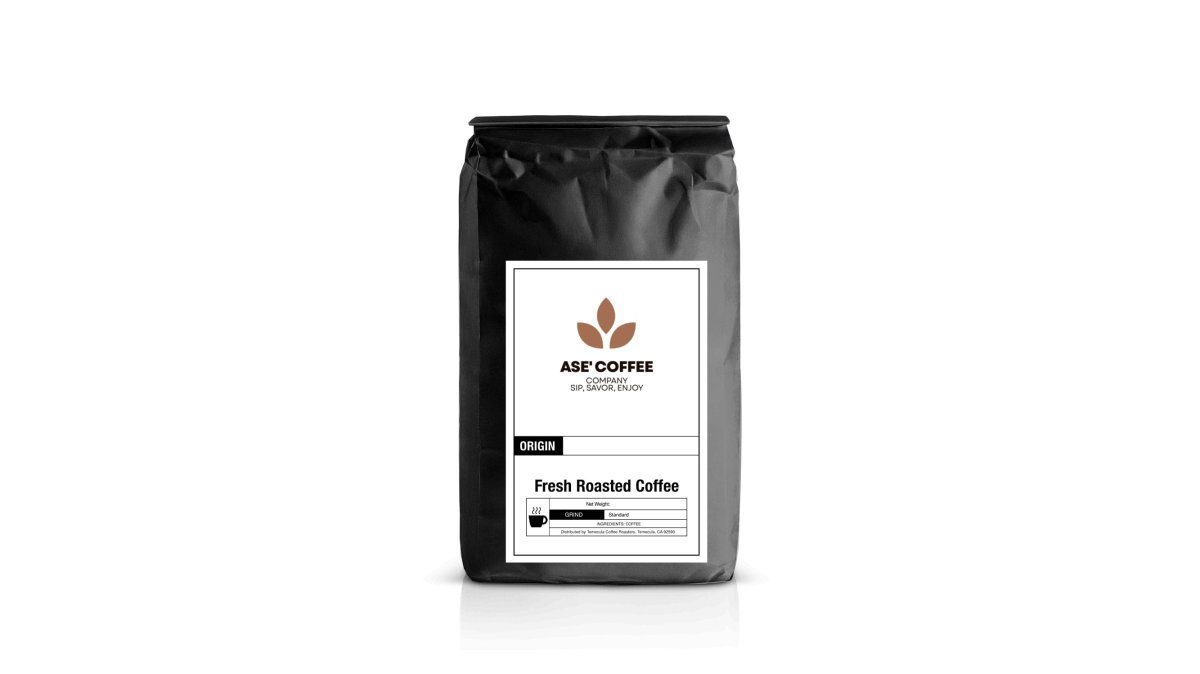
ASE' exemplifies this approach. Every bag of our carefully sourced, roasted-to-order coffee supports ASA-CORP's educational program, Tutorsforyou.org.
The challenge is verification: how do you know a brand's impact claims are real? Below, we'll show you how to evaluate coffee brands that deliver both exceptional taste and measurable positive change.
Social Impact Coffee Brands That Support Real Change
The coffee market has split into two camps: brands that talk about impact and brands that prove it. The difference matters when you're paying premium prices.
ASE' Premium Roasts represent one approach: education-focused sourcing paired with direct charitable giving. Our Single Origin Favorites Sample Pack lets you explore six origins, Brazil Santos, Colombia, Costa Rica, Ethiopia, Honduras, and Tanzania, each with distinct tasting profiles and sourcing stories.

Our Best Sellers Sample Pack combines popular blends with single-origin options: the 6Bean Blend works well for espresso, while the Breakfast Blend delivers smooth, balanced notes from South American sources.

Many brands position themselves as socially conscious without explaining what that means in practice. The strongest social impact coffee brands answer three questions: Where do the beans come from? Who benefits?
Coffee Brands That Support Education Initiatives
Education-focused coffee brands recognize that sustainable change in coffee-producing regions starts with opportunity: when farming families have access to quality schooling, entire communities shift.
ASE' channels resources directly into youth education through Tutorsforyou.org. This isn't a vague commitment to "community development." The model is specific: a portion of every purchase supports educational programs designed to break cycles of poverty in coffee-growing areas.
The education angle distinguishes impact-driven brands from commodity roasters. These brands typically work with cooperatives or nonprofit partners in origin countries, funding scholarships for farmers' children, teacher training, or school infrastructure.
When evaluating education-focused coffee brands, look for transparency on partner organizations: which nonprofits do they work with, what programs do they fund, and how often do they report outcomes?
Ethical Coffee Brands: Verifying Impact Claims
The ethical coffee market has a credibility problem: many brands claim to be ethical without external verification, and most shoppers can't tell a genuine giving model from a marketing slogan. Here's a usable framework.
A five-point verification checklist
Use these five questions on any social-impact coffee brand, including ASE'. A credible brand should be able to answer all five without hesitation.
- What is donated, profit or revenue? 'A portion of profits' can mean almost anything after expenses, marketing, and salaries. 'A percentage of revenue' or 'a fixed amount per bag' is far easier to audit. Ask which one the brand uses and whether the figure is disclosed.
- Who receives the money? A named nonprofit with a registered status is verifiable. 'Community projects' or 'local partners' without names is not. Look for the recipient organization's own website, registration details, and mission statement.
- Is there a published impact report? The strongest brands publish an annual report with dated figures, methodology notes, and a description of what was funded. A PDF buried on a blog is weaker than a dedicated impact page updated on a schedule.
- Is the claim independently verifiable? Third-party certifications (Fair Trade, organic, B Corp, Rainforest Alliance) involve external auditing. Direct-giving claims usually do not, so the brand's own reporting and the recipient nonprofit's acknowledgment become the verification.
- Does the math reconcile? If a brand says it donated a specific amount, you should be able to see roughly how that maps to units sold or revenue. Round, unexplained numbers with no methodology are a warning sign.
Red flags worth taking seriously
- Claims to support 'communities' without naming a single organization or program.
- Impact language on the homepage but no impact page, report, or dated update anywhere on the site.
- Donation percentages that shift between pages or are described only in vague terms ('a meaningful portion').
- No way to contact the brand with a question about giving.
How ASE' answers the checklist
ASE' is built around a specific, named partnership: every purchase supports youth education through ASA-CORP's program, Tutorsforyou.org, answering the 'who receives the money' question with a named organization. Our sourcing pages document region, altitude, and processing for each origin. Readers who want to go further should ask us directly for the current giving structure and any published program updates, a legitimate brand should welcome that question, and we do.
Why this matters more than certifications alone
Certifications verify labor and environmental standards at origin (Overview of the Rainforest Alliance Certification). They do not verify charitable giving. A brand can be Fair Trade certified and still donate nothing, or donate generously and hold no certification at all. Treat certification and giving as two separate questions, and verify each one on its own terms.
Fair Trade Coffee and Direct Farmer Relationships
Most guides treat 'ethical coffee' as one thing. In practice, social-impact coffee brands use several distinct models, and the model determines where your money actually goes. Understanding the differences is the fastest way to choose a brand that matches your values.
The main impact models, compared
| Model | How it works | Where value goes | What to verify |
|---|---|---|---|
| Fair Trade certification | Third-party audited minimum price and labor standards | Farmer organizations via price floor and premium | Current certification status; which cooperative holds it |
| Direct trade relationships | Roaster contracts directly with farms or cooperatives, often above commodity price | Named producers, sometimes with multi-year commitments | Named farms or cooperatives; published price or premium details |
| Profit or revenue donation | A share of sales funds a nonprofit or program | A named charitable recipient, often outside the supply chain | Recipient name; published percentage; impact reporting |
| Community investment | Brand funds infrastructure, training, or schools in origin regions | Specific communities or programs | Program names, locations, and dated outcomes |
| Regenerative or organic sourcing | Environmental practices at the farm level | Soil, water, and long-term farm viability | Certification or farm-level practice documentation |
These models are not mutually exclusive. A single brand may use direct trade sourcing, hold an organic certification, and donate a share of revenue. The point is to know which lever you care about most.
Fair Trade: standardized protection
Fair Trade certification guarantees farmers a minimum price and requires independent auditing of labor and environmental standards (Fairtrade standards). Its strength is standardization across farms and countries; its limitation is that the premium is modest relative to specialty prices, and certification says nothing about a brand's charitable giving.
Single Origin Favorites Sample Pack →
Direct relationships: depth over standardization
Direct trade is a sourcing approach, not a certification: a roaster works with specific cooperatives or family farms, often paying above Fair Trade minimums and committing to repeat purchases. The advantage is depth, long-term relationships can fund farm-level quality improvements. The disadvantage is that 'direct trade' has no universal definition, so the claim is only as strong as its documentation.
ASE' sits primarily in this camp. Our Uganda single origin is documented down to the Sipi region, 1,500-2,500 meters elevation, fully washed and sun dried. Our Peru single origin names the grower cooperative, Cooperativa Agricola de Servicios Norandino, in the Piura region.

Donation models: impact outside the supply chain
Donation-based brands direct a share of sales to a nonprofit or program, in origin countries or elsewhere. ASE' uses this model alongside its sourcing: purchases support youth education through Tutorsforyou.org. The strength is a clear, named beneficiary; the limitation is that donation models vary enormously in transparency, which is why the verification checklist above matters.
How to choose between models
If standardized labor protections are your priority, Fair Trade certification is the most legible signal. For deeper producer partnerships, look for named farms and cooperatives with documented sourcing. If charitable giving motivates you, prioritize brands that name their nonprofit partner and publish how the giving works. Many strong brands combine two or three models; the best choice is the one you can actually verify.
Quality, Sourcing, and Pricing Comparison
| Aspect | ASE' Single Origins | ASE' Blends | Sample Packs |
|---|---|---|---|
| Price per bag | $19.99 | $19.99 | $24.99 (6 bags) |
| Roast levels | Light to dark | Medium to dark | Varied |
| Sourcing detail | High (region, altitude, process) | High (component origins) | High (all origins documented) |
| Social impact | Education support | Education support | Education support |
| Best for | Flavor exploration | Daily brewing | Discovery |
Premium coffee pricing reflects sourcing specificity, roasting quality, freshness (roasted to order), and social impact. ASE' sits in the mid-premium range, making ethical, high-quality coffee accessible without extreme price barriers.
Our Peru single origin at $19.99 offers salted caramel and citrus notes from the Piura region. The grower, Cooperativa Agricola de Servicios Norandino, is a cooperative where small farmers pool resources, supporting more farmers while maintaining quality standards.
The African Kahawa Blend at $19.99 combines African-grown coffees with environmentally friendly processing, hand-picked, washed, and sun-dried.
When comparing social impact coffee brands, don't assume higher price equals greater impact. Some premium brands spend heavily on marketing. Others invest primarily in sourcing and charitable giving. Review their impact reports and sourcing details.
Choosing the Right Coffee for Your Values and Taste
The best social impact coffee brand for you depends on three factors: your flavor preferences, your specific values, and your budget.
If you prioritize exploration, start with sample packs. ASE''s Single Origin Favorites Sample Pack and Best Sellers Sample Pack both cost $24.99 and provide six distinct coffee experiences, letting you commit to full bags of your favorites.
If you're committed to a specific cause, education, environmental restoration, women's empowerment, align your brand choice with that mission.
If budget is the primary constraint, social impact coffee doesn't require extreme spending. ASE' single origins start at $19.99 per bag, premium compared to grocery store coffee, but reasonable for specialty, ethically sourced, roasted-to-order beans.
A practical approach: start with a sample pack to find your flavor profile, then research which brands align with your values.
Choosing coffee that aligns with your values shouldn't mean sacrificing quality or spending beyond your means. Explore our carefully sourced single origins and blends, roasted fresh to order, and discover how your morning coffee can create measurable positive change in coffee-producing communities.
Frequently Asked Questions
How do social impact coffee brands actually track and report their donations?
Reputable social impact coffee brands provide transparency through annual impact reports, partner nonprofit documentation, and donation receipts. ASE' partners with ASA-CORP.org's educational program Tutorsforyou.org, allowing customers to verify where their contributions go. Look for brands that name specific nonprofits, publish donation amounts, and share measurable outcomes like students served or programs funded rather than vague promises.
What's the difference between fair trade coffee and social impact coffee brands?
Fair trade coffee focuses on guaranteeing minimum prices and working conditions for farmers through third-party certification. Social impact coffee brands expand this by directing profits to charitable causes, community development, or education programs. Both prioritize farmer welfare, but social impact brands add a charitable giving component that fair trade certification alone doesn't require. Many ethical coffee brands combine both approaches.
Does buying coffee from social impact brands actually make a measurable difference?
Yes, when brands are transparent about their model. If a brand donates a percentage of profits to education programs, each purchase directly funds scholarships, tutoring, or school resources. ASE' contributes a portion of every purchase to educational initiatives, meaning your daily coffee ritual supports student access to tutoring and learning opportunities. The impact scales with volume and consistency of purchases.
How can I tell if a coffee brand's sourcing claims are genuine?
Authentic ethical coffee brands provide specific details: grower names or cooperatives, regions with altitude, processing methods, and certifications or partnership details. ASE' sources from named cooperatives like Cooperativa Agricola de Servicisios Norandino in Peru and smallholder farmers in regions like Medellin, Colombia. Vague claims about 'ethical sourcing' without specifics are red flags. Transparent brands list their supply chain openly.